



As our understanding of health and wellness evolves, athletes and fitness enthusiasts are exploring new ways to enhance their recovery and relaxation post-workouts. Delta-9 THC (tetrahydrocannabinol) and CBD (cannabidiol), cannabis and hemp’s two most studied cannabinoids, have found popularity with those looking to keep up with a well-rounded workout routine, or stay in shape at practice for the next big game.
At Cycling Frog, we're committed to normalizing cannabis use, and offering products that leverage the power of THC and CBD to support enhanced socialization, relaxation, and recovery. In this blog, we'll dive into the potential benefits of these compounds for post-workout recovery and relaxation, backed by scientific studies.
The Science Behind THC and CBD
THC and CBD are cannabinoids, active compounds in the cannabis plant that interact with the body's endocannabinoid system (ECS). The ECS plays a crucial role in regulating various physiological processes, including pain, mood, appetite, and sleep. While THC is known for its psychoactive effects, CBD is non-psychoactive and has been widely studied for its therapeutic potential.
The Runner's High and Endogenous Cannabinoids: Nature’s Own Recovery Mechanism
To understand the potential benefits of THC and CBD for post-workout recovery and relaxation, it's important to know that our bodies naturally produce similar compounds. The phenomenon known as "runner's high" provides fascinating insights into how endogenous cannabinoids—cannabinoids produced within our bodies—play a significant role in promoting relaxation and pain relief after intense physical activity.
The runner's high is a well-documented sensation of euphoria and reduced anxiety that athletes often experience after prolonged exercise. For many years, this feeling was primarily attributed to the release of endorphins. However, recent research has shed light on the critical role of endocannabinoids in this process. A study published in the Proceedings of the National Academy of Sciences of the United States of America (PNAS) demonstrates that the runner's high is significantly mediated by endocannabinoids, particularly anandamide.
The study conducted on both humans and mice found that after engaging in prolonged running, there was a significant increase in the levels of anandamide, an endocannabinoid, in the bloodstream. Anandamide interacts with the same receptors in the brain as THC, leading to feelings of euphoria and pain relief.
Researchers discovered that blocking the endocannabinoid receptors in mice prevented the reduction in pain sensitivity and anxiety usually observed after running. This finding strongly suggests that endocannabinoids, rather than endorphins, are primarily responsible for the runner's high.
Understanding that our bodies naturally produce endocannabinoids to aid in post-workout recovery and relaxation underscores the potential benefits of supplementing with phytocannabinoids like THC and CBD. Here’s how this knowledge complements our understanding of THC and CBD’s potential benefits:
Reducing Inflammation and Pain
Intense workouts can lead to muscle inflammation and soreness, which can hinder performance and prolong recovery time. Research suggests that both THC and CBD have anti-inflammatory and analgesic properties that can help alleviate muscle pain and reduce inflammation. This can be particularly beneficial after intense workouts. A study published in Frontiers in Neurology highlighted CBD's effectiveness in reducing inflammation and pain in patients with chronic conditions, suggesting its potential for post-exercise recovery.
Enhancing Relaxation and Sleep
Adequate rest and sleep are essential for effective recovery. THC and CBD can promote relaxation and improve sleep quality, which are critical for muscle repair and overall recovery. A study in the Journal of Clinical Psychopharmacology found that CBD improved sleep duration and quality in individuals with anxiety-related sleep disorders . Additionally, THC has been shown to decrease sleep latency, making it easier to fall asleep faster .
Reducing Muscle Spasms
Muscle spasms can be a common issue for athletes, often caused by overexertion or dehydration. Studies have indicated that cannabinoids can help reduce muscle spasms. Research published in the Journal of Pain and Symptom Management demonstrated that THC could reduce muscle spasticity and pain in patients with multiple sclerosis, suggesting its potential benefits for athletes experiencing muscle spasms .
Managing Anxiety and Stress
Post-workout anxiety and stress can negatively impact recovery and performance. CBD is renowned for its anxiolytic (anxiety-reducing) properties. A review in Neurotherapeutics highlighted CBD's potential to reduce anxiety in various populations, including those with social anxiety disorder and generalized anxiety disorder . This makes CBD a valuable tool for athletes looking to manage stress and enhance relaxation after intense physical activity.
Replacing Alcohol with THC and CBD
For athletes and health enthusiasts, the choice of post-workout relaxation beverages and snacks can significantly impact overall well-being and recovery. While alcohol has long been a go-to for unwinding, it's worth considering a switch to THC Seltzers for relaxation. When comparing the effects on the body most important to athletes, a clear winner arises.
Hydration: Alcohol is a diuretic, which means it increases urine production and can lead to dehydration. Our THC Seltzers are made with purified water and all-natural ingredients. There is no scientific evidence that cannabis or CBD causes dehydration. For athletes, staying hydrated is crucial for muscle function, recovery, and overall performance.
Diet and Calories: Alcohol is loaded with calories, and most alcoholic beverages are not required to list their ingredients, leading to a lack of transparency on what artificial ingredients and flavors go into your body. Our THC and CBD seltzers and gummies are made with natural ingredients and are much lower in calories when compared to beer or alcoholic seltzers.
Muscle Recovery: Alcohol can interfere with the body's ability to repair and build muscle. Studies have shown that alcohol consumption post-exercise can reduce muscle protein synthesis, hindering recovery and growth. Both THC and CBD have properties which can help reduce muscle soreness and promote relaxation, promoting healing.
Sleep Quality: While alcohol may help some people fall asleep faster, it often disrupts the quality of sleep, leading to poor recovery and fatigue. Athletes need restful sleep to repair muscles and restore energy levels. THC and CBD have long been shown to improve sleep quality by reducing anxiety and promoting relaxation, without causing a hangover!
Inflammation: Alcohol can promote inflammation, which can exacerbate muscle soreness and prolong recovery times. For those engaged in regular physical activity, managing inflammation is critical to maintaining performance and avoiding injury. THC and CBD have both shown significant anti-inflammatory effects, which can help accelerate healing and recovery.
A Growing Acceptance in Professional Sports and Athletics
 (ABOVE: Cycling Frog and The Portland Pickles Make History Selling the first THC Seltzers at a live sporting event)
Recent changes in the policies of various professional sports have increasingly accepted the use of CBD and, to a lesser extent, THC. The World Anti-Doping Agency (WADA) removed CBD from its list of prohibited substances in 2019, paving the way for athletes across all sports, including the Olympics, to use it legally. The NFL's 2020 Collective Bargaining Agreement reduced penalties for THC and raised testing thresholds, and the MLB removed marijuana from its banned substances list in 2019, treating cannabis use similarly to alcohol. The NBA suspended random testing for marijuana beginning with the 2020-21 season, and as of May 2024, the NBA's collective bargaining agreement allows players to invest in businesses that sell or produce CBD products. The NHL has been rather accepting of THC and CBD for years, and and focuses on treatment rather than punishment for positive THC tests. Additionally, the UFC has invested extensively in researching CBD's benefits, reflecting a broader trend towards the acceptance and reduction of stigma of cannabis-based therapies in professional sports.
Recommendations for Your Recovery Routine
If you're interested in leveraging products that enhance the Endocannabinoid system, you can amplify your body's natural ability to recover and relax pre and post-exercise, here are some product recommendations to get you started:
Pre-Workout Priming:
Use CBD to help reduce pre-workout anxiety, setting a calm yet focused mindset for your training. Our Wintergreen Mints, with 5mg CBD + 1mg THC are a relaxing, micro-dose option to get your head in the game, while our CBD Softgels, available in 100mg CBD + 1mg THC and 200mg CBD + 1mg THC, provide a macro-dose of CBD and a touch of THC to help you perform at your best.


Post-Workout Relief:
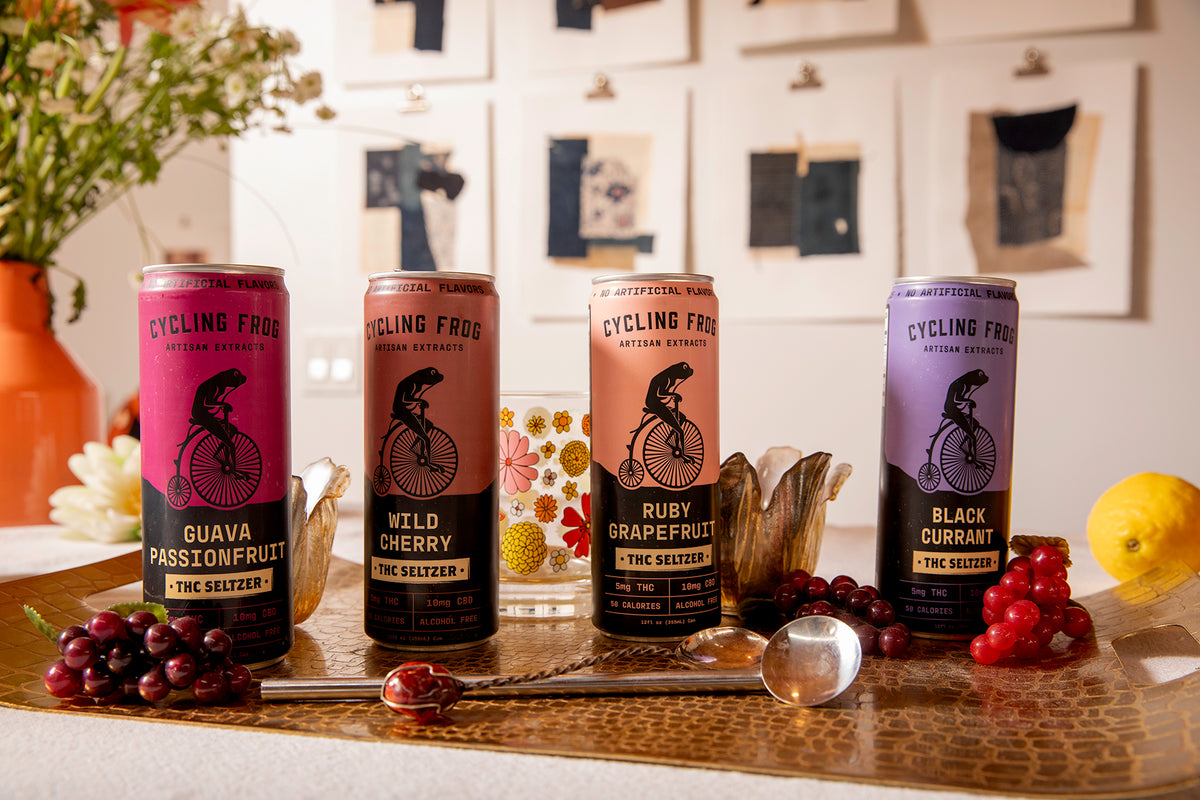
Incorporate THC and CBD products to reduce pain and inflammation, aligning with the natural increase in endocannabinoids post-exercise. Our tasty range of THC and CBD Seltzers make for a perfect post-workout mocktail with a balance of 5mg THC and 10mg CBD in our Wild Cherry, Ruby Grapefruit, Black Currant, and Blueberry Yuzu options. We also have a 2mg THC 4mg CBD "Light" line in Lemon and Passionfruit.
For enhanced relaxation, we also carry high potency 50mg THC 100mg CBD Brownie Bites and 50mg THC 50mg CBD Iced Tea Lemonade.


Consistent Routine:
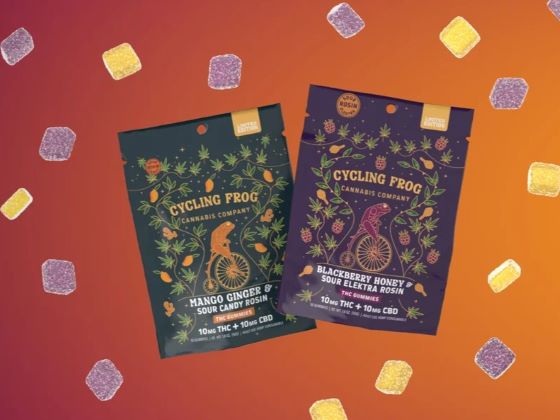
Maintain a consistent supplementation routine to support the ECS’s role in regulating pain, mood, and recovery processes. Our Gummies, available in 5mg THC / 25mg CBD in Huckleberry and Mango Pineapple, as well as 10mg THC and 10mg CBD in Passionfruit and Bluerazz, are a tasty and convenient way to incorporate THC and CBD into your regimen.
Conclusion
THC and CBD hold significant promise for enhancing post-workout recovery and relaxation. By reducing inflammation, alleviating pain, improving sleep quality, and managing anxiety, these cannabinoids can be powerful allies in your fitness journey. Always consult with a healthcare professional before incorporating new supplements into your routine, especially if you have underlying health conditions or are taking other medications. Enjoy responsibly and do not drive or operate heavy machinery or workout equipment while under the influence of THC.
Stay tuned for more insights and product updates from Cycling Frog, and remember—your recovery is just as important as your workout!
References
-
Endocannabinoids and exercise. (2023). Proceedings of the National Academy of Sciences of the United States of America. Link.
-
Blessing, E. M., Steenkamp, M. M., Manzanares, J., & Marmar, C. R. (2015). Cannabidiol as a Potential Treatment for Anxiety Disorders. Frontiers in Neurology.
-
Shannon, S., Cannabidiol in Anxiety and Sleep: A Large Case Series. (2019). Journal of Clinical Psychopharmacology.
-
Murillo-Rodriguez, E., Millán-Aldaco, D., Palomero-Rivero, M., et al. (2008). The Nonpsychoactive Cannabinoid Cannabidiol Modulates Sleep in Rats. FEBS Letters.
-
Wade, D. T., Makela, P., House, H., Bateman, C., & Robson, P. (2006). Long-term use of a cannabis-based medicine in the treatment of spasticity and other symptoms in multiple sclerosis. Journal of Pain and Symptom Management.
-
Blessing, E. M., Steenkamp, M. M., Manzanares, J., & Marmar, C. R. (2015). Cannabidiol as a Potential Treatment for Anxiety Disorders. Neurotherapeutics.
-
World Anti-Doping Agency. (2020). The 2021 Prohibited List.
-
National Football League. (2020). NFL Collective Bargaining Agreement.
-
Major League Baseball. (2019). MLB, Union Agree to Remove Marijuana from List of Drugs of Abuse.
-
Sports Illustrated. (2020). MLB's New Drug Agreement.
-
National Basketball Association. (2021). NBA Suspends Random Marijuana Testing.
-
National Hockey League Players' Association. (2016). Substance Abuse and Behavioral Health Program.
-
Ultimate Fighting Championship. (2019). UFC and Aurora Cannabis Announce CBD Research Partnership.
-
ESPN. (2021). Olympians Embrace CBD for Recovery at Tokyo 2020.
-
Poppett, L., & Brennan, S. (2019). Alcohol and Athletic Performance. Journal of Sports Medicine.
-
Watkins, T. (2020). Effects of Alcohol on Muscle Recovery. Journal of Exercise Physiology.