



If you’ve been feeling extra weird lately (tired but wired, a little lonely, a little ragey, definitely unmotivated), you’re not broken. You might just be trapped in the weird emotional limbo that is midwinter burnout.
It’s that strange part of the season where the holiday chaos has died down, the serotonin’s on backorder, and time feels like a beige hallway. You’re not the only one pacing it in your pajamas wondering if life is supposed to feel like this.
Whether you're silently beefing with your roommate over fridge organization or crying over a TikTok of a duck wearing boots, congrats, you're in the zone. And spoiler alert: it's not just an attitude problem. It's chemistry.
Stress, burnout, and even loneliness aren’t just ~vibes~. They’re deeply biological. When your environment is overwhelming (or underwhelming in all the wrong ways), your body reacts, and those reactions can keep you stuck in the spiral.
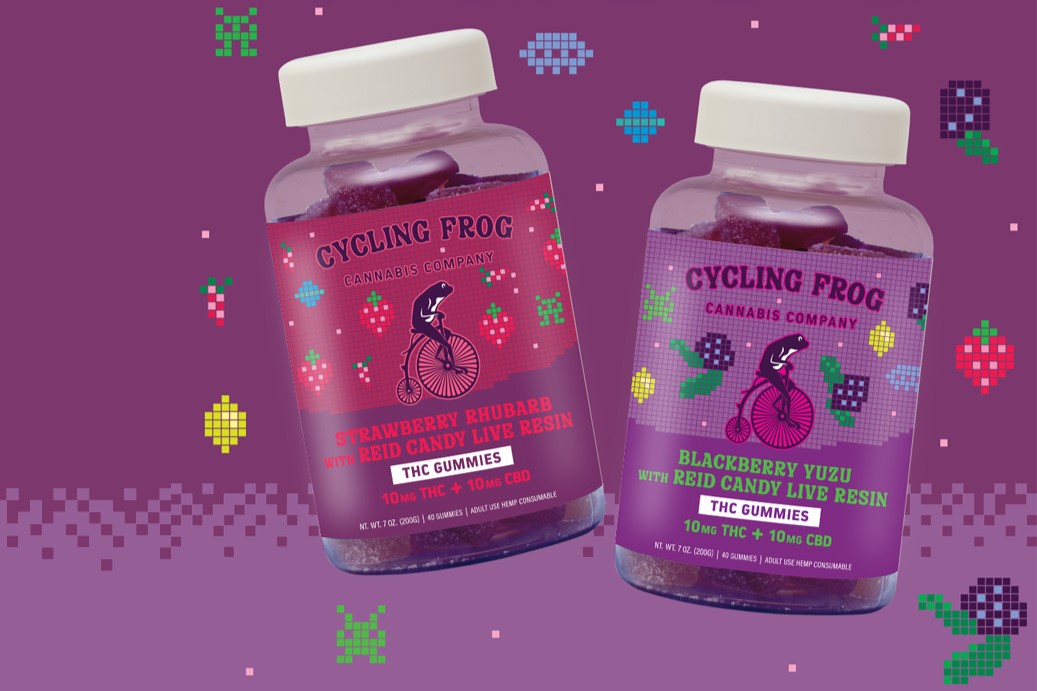
Now, we’re not saying THC is the answer to all your problems. But if your brain feels like it’s throwing soup at the walls, a little frog-shaped floatie in the form of a THC gummy or seltzer might just be the thing you need to help you paddle through the chaos.
Let’s get into it.
 Let’s Talk About Cortisol, Baby
Cortisol gets a bad rap. But like most things your body makes, it’s there for a reason.
It’s a hormone produced by your adrenal glands in response to signals from your brain, and it plays a crucial role in keeping you alert, balanced, and ready to respond to your environment.
One of its main jobs? Helping you wake up. Cortisol levels start rising in the early morning to help clear out melatonin and get your system online. That subtle shift from “deep sleep” to “mild panic about your to-do list”? That’s cortisol doing its thing.
But cortisol isn’t just your body’s internal alarm clock. It’s also your built-in danger response.
When your brain detects a threat, real or imagined, it tells your adrenals to release more cortisol. This kicks off a chain reaction designed to help you survive.
That’s what people mean when they call cortisol the “stress hormone.” It’s not bad. It's biological. It evolved to help you escape actual threats, like predators, natural disasters, or that one guy who thinks "devil’s advocate" is a personality.
But to your brain, stress is stress.
It doesn’t always distinguish between life-threatening danger and low-key existential dread. Whether you're running from a bear or opening an unread group chat, the cortisol response is similar. Your body hears “something’s wrong” and prepares for battle.
That said, your body is built to handle acute stress, aka quick spikes that help you respond to danger. But in modern life, that survival button gets pressed a lot.
When the stress doesn’t stop (see: deadlines, group chats, the weather, capitalism, *gestures broadly* the rest of it), you end up in a state of chronic stress. That’s when cortisol gets stuck in the “on” position.
And that’s where things start to unravel.
Cortisol’s Greatest Hits Include:
- Rapid heart rate
- Blood sugar spikes
- Bad sleep
- Brain fog
- Mood swings
- Irritability
Long-term? It can lead to immune issues, gut problems, anxiety, and that lowkey-but-loud feeling that the universe is conspiring against you personally.
Oh, and loneliness? Yeah, that counts as stress too.
Social disconnection can also raise cortisol levels, which explains why wintertime isolation hits like a truck full of bricks wrapped in weighted blankets.
Feeling “off” isn’t a personal failure. It’s literally a biological feedback loop. And in this day and age, the notifications are endless.
 So, What Happens When Cortisol Stays High?
Short-term, cortisol’s a real one.
Long-term? It’s more like a roommate who said they’d crash for the weekend and is now using your Netflix account, wearing your fuzzy socks, and eating all your favorite snacks.
When cortisol sticks around, things start to spiral.
You feel wired but tired. Foggy but overstimulated. Your motivation’s MIA, your patience is in the trash, and everything suddenly feels way too loud.
Common symptoms?
- Fatigue that sleep doesn’t fix
- Irritability over literally nothing
- Heightened anxiety
- Hormonal dysregulation
- Mood swings
- Immune crashes
- Memory issues
- That gnarly little voice in your head whispering “you’re failing” even when you’re just literally tired
When cortisol stays elevated for too long, your body starts glitching out. Your systems get scrambled, your regulation tools stop working, and your whole vibe shifts from “thriving” to “please don’t text me, I’m overwhelmed.”
Welcome to The Loop™
Cortisol dysregulation actively disrupts the things that would normally help you recover. It tanks your ability to:
- Sleep well (because your body thinks it’s not safe to relax)
- Connect socially (because you feel drained, anxious, or withdrawn)
- Self-regulate (because your emotional baseline is constantly “fight or flight”)
And when you can’t sleep, connect, or calm down?
You spiral further. Which causes more stress. Which keeps cortisol high.
andamide, Denied
As if all that wasn’t enough, high cortisol levels also suppress a key endocannabinoid called anandamide, aka your brain’s bliss molecule.
Anandamide is one of the chemicals your body makes to help you feel calm, emotionally balanced, and safe enough to enjoy your life. It helps regulate your mood, your stress response, and your ability to feel present in pleasurable moments.
When cortisol is high for too long, anandamide gets dialed down, which means your natural ability to feel good (or process joy, relief, connection, or comfort) gets muted.
So even when you do something nice for yourself (like light a candle, take a bath, or snuggle someone you love), it might not feel nice. Your brain is too busy scanning for threats to let the calm land.
It’s kinda wack. (But don’t worry… there’s a plan B)
Enter THC
THC is chemically similar to anandamide. Like, almost twin-energy similar. So when you consume THC, it can bind to the same brain receptors that anandamide usually activates, especially the ones tied to mood, stress response, and emotional regulation. (CB1 receptors, for those keeping score at home.)
These receptors are part of your endocannabinoid system (ECS), which is basically your body’s built-in vibe manager. It helps keep things like sleep, appetite, memory, and stress in balance. When your ECS is out of whack (like during a cortisol spiral), supporting it with plant cannabinoids like THC might help things recalibrate.
In other words: If your body forgot how to chill, THC might help remind it what that feels like.
Not by numbing out or pressing pause on your emotions, but by helping your nervous system shift out of survival mode, even briefly, so the “good stuff” can start getting through again.
 Burnout, Shutdown, and the Small Shifts That Matter
When your nervous system’s been stuck in survival mode, it’s hard to feel anything but off. Rest doesn’t land. Joy feels out of reach. Everything’s too much, or somehow not enough.
This is what chronic stress does. It doesn’t just drain your energy. It blocks your ability to bounce back.
THC isn’t a fix-all, but in the right context and dose, it might offer just enough of a shift to help you start feeling like yourself again.
Here’s what that can look like:
- A mental reset when your thoughts won’t stop looping
- A mood shift from spiraling to silly
- A sense of novelty or play (which helps disrupt burnout loops)
- Support in actually unwinding, not just scrolling in a ball of anxiety
- A gentle nudge toward reconnection either with others, or yourself
- Feeling safer in your body, even for a moment
There’s early research suggesting low doses of THC may help reduce stress, promote emotional flexibility, and even support better sleep, especially when paired with CBD. That reset matters. Because when you can sleep, self-soothe, or laugh again, you’re no longer trapped in The Loop™.
But let’s be real: dose matters.
Too much THC (especially if you're already anxious) can crank things up instead of down. Everyone’s different. If your goal is to feel calm, connected, or curious, start small. Microdoses, low-dose edibles, or THC drinks are great ways to explore that shift without accidentally launching yourself into a 4D thought spiral.
 Disrupting Social Shutdown with THC
Cortisol gets triggered by stress, overstimulation, and burnout. But there’s one more sneaky culprit to address. And that’s loneliness.
Feeling socially disconnected can literally spike cortisol, just like being overworked or sleep-deprived. Why? Because your brain is hardwired to interpret isolation as a survival threat.
And that pesky little quirk comes from the ancient part of our mammalian brains.
We evolved to rely on others for food, protection, and belonging. Being cast out from the group used to mean actually dying, so to this day, your nervous system treats disconnection like a life-or-death scenario… even if it’s just you ignoring a text thread.
The worst part? When you’re stressed or burnt out, your instinct might be to self-isolate even more. You cancel plans, ghost people, or shut down not because you don’t care, but because your brain’s trying to conserve energy. Social interaction feels like a burden rather than a lifeline.
That’s where a low-dose THC drink or gummy might offer a little traction.
We’re not saying THC replaces connection. It doesn’t. But when used intentionally, it might soften that “everything’s too much” wall just enough to help you:
- Feel safe enough to say yes to a call or invite
- Take one step toward someone you care about
- Get out of your head and into the present moment
- Let a hug, laugh, or conversation land
If full-on socializing still feels out of reach, start smaller. Clean your space while sipping a THC seltzer. Listen to a comfort podcast. Do something (anything) that brings you back into motion. You might be surprised how quickly one small act leads to another.
Loneliness tells you to shrink and hide. But your body’s asking for connection. THC won’t give you that, but it might help you open the door.
Context Is Everything (aka THC ≠ Therapy)
Let’s be super clear: THC won’t fix burnout or loneliness.
It won’t rebalance your hormones, lower your cortisol long-term, or solve the root cause of your stress. But it might help interrupt the spiral just enough to get you moving in the right direction.
And honestly? That’s the point. Disrupting the loop is where regulation starts.
When used intentionally, THC might help. But it works best when it’s paired with real-life, science-backed habits that actually support your nervous system.
Here are a few that actually help lower cortisol:
- Journaling: Helps reduce cortisol levels and may help you feel more resilient to future stressors.
- Hydration: Dehydration spikes cortisol and makes stress feel worse
- Stable blood sugar: Skipping meals or eating junk can wreck your hormone balance
- Movement: Even light movement signals safety to your brain
- Breathwork: Breathing techniques support your parasympathetic nervous system
- Connection: Talking to someone helps calm the threat response
- Rest: Real rest decreases blood pressure, lowers cortisol, and activates the parasympathetic nervous system
- Small wins: Completing even one task can help you feel back in control
None of this has to be dramatic. Drink a THC seltzer while you do laundry. Take one deep breath before opening your texts. Pick a tiny habit and try it stoned. That’s the loop-breaker energy.
And hey, we know this time of year can be heavy.
For some people, it’s burnout and seasonal blahs. For others, it’s deeper. Loneliness, depression, or anxiety that doesn’t lift with a nap and a gummy.
If that’s you, please talk to a professional. You’re not too much. You’re not too far gone. The world is a better place with you in it. And there’s help.
If you’re actively in crisis, here are a few resources that can support you right now:
- 988 Suicide & Crisis Lifeline: Call or text 988
- Crisis Text Line: Text HOME to 741741
- Trans Lifeline: 877-565-8860
- The Trevor Project (LGBTQ+ support): 1-866-488-7386
And if you’re not in crisis but just feeling stuck, exhausted, or disconnected? Therapy is a powerful tool, too. It’s a place to unpack the pressure, sort through the noise, and get support for your nervous system that lasts longer than a THC seltzer.
TLDR: THC isn’t a magic wand.
But it might help you break the cycle, catch your breath, and start moving toward what you actually need. Just don’t forget: caring for yourself is the real priority. And you’re so, so worth the effort.
 You’re Not Broken, You’re Biochemical
Burnout isn’t a personality trait. Stress isn’t a moral failure. And needing a little help to feel okay again doesn’t make you weak, it makes you human.
THC won’t fix everything. But it might be one of the softer, frog-shaped tools in your toolkit. A way to shift your state, breathe a little deeper, and remember what it feels like to come back to yourself.
So go easy. Reach out. Rest on purpose. And if a low-dose gummy or seltzer helps you feel safe enough to take the next step? That’s valid too.
Progress is progress, even if it’s just from couch to fridge.